Driveway Leveling in Houston, TX
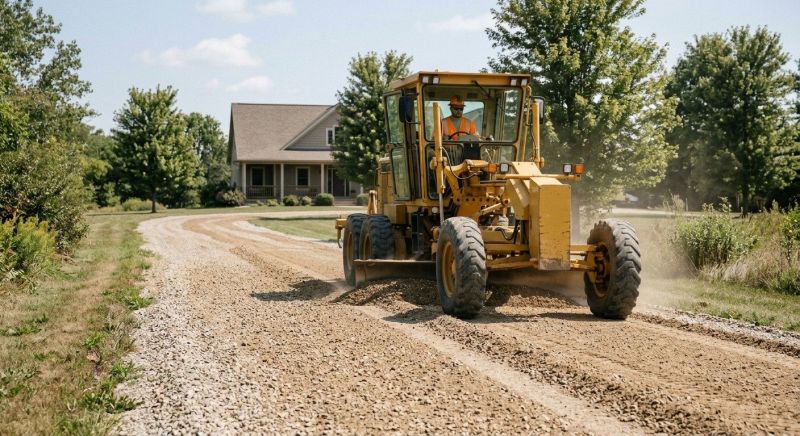
Driveway leveling services involve adjusting the surface of a driveway to correct uneven or sagging areas, creating a smooth and safe surface for vehicles and pedestrians. This type of project typically covers driveways made of concrete, asphalt, or other paving materials that have developed dips, cracks, or settled over time. Homeowners often seek driveway leveling to improve curb appeal, prevent further damage, and ensure proper drainage, especially in areas where ground shifting or soil settling has caused uneven surfaces.
Before requesting driveway leveling, property owners usually want to understand the extent of the unevenness, the cause of the settling, and the best methods for restoring a level surface. It’s important to consider the age and condition of the existing driveway, as well as any underlying issues that may need addressing to maintain a level and durable surface. Proper assessment can help determine whether leveling is a suitable solution or if additional repairs are necessary to prolong the driveway’s lifespan.
Many property owners in Houston, TX look into Driveway Leveling for repairs, replacements, upgrades, and appearance-related improvements.

Driveway Repair Solutions
Leveling can restore a smooth, safe surface for vehicles and pedestrians.
Common Causes Of Driveway Unevenness
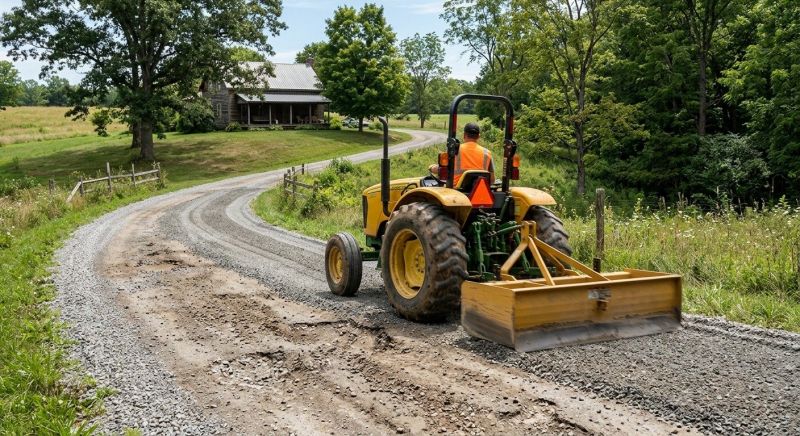
Soil shifting, poor drainage, and weather conditions often lead to driveway settling and cracks.
Benefits Of Driveway Leveling
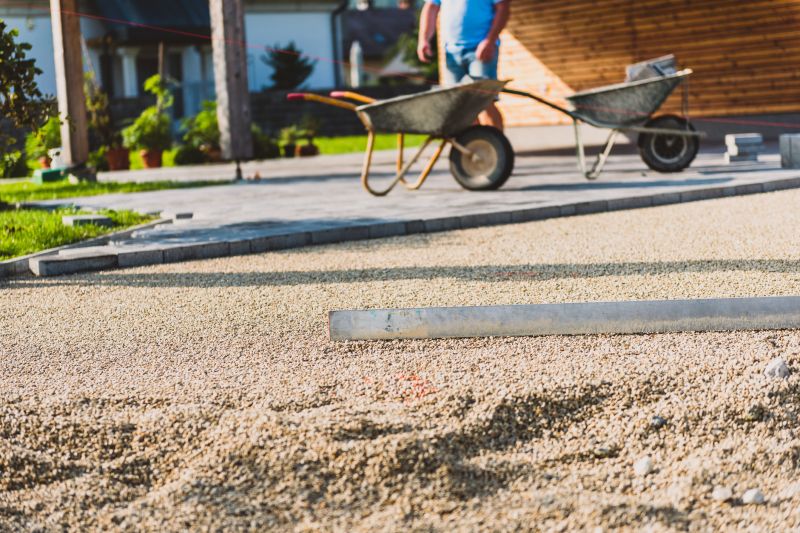
A properly leveled driveway enhances curb appeal and extends its lifespan for houston homeowners.
Driveway Leveling in Houston, TX
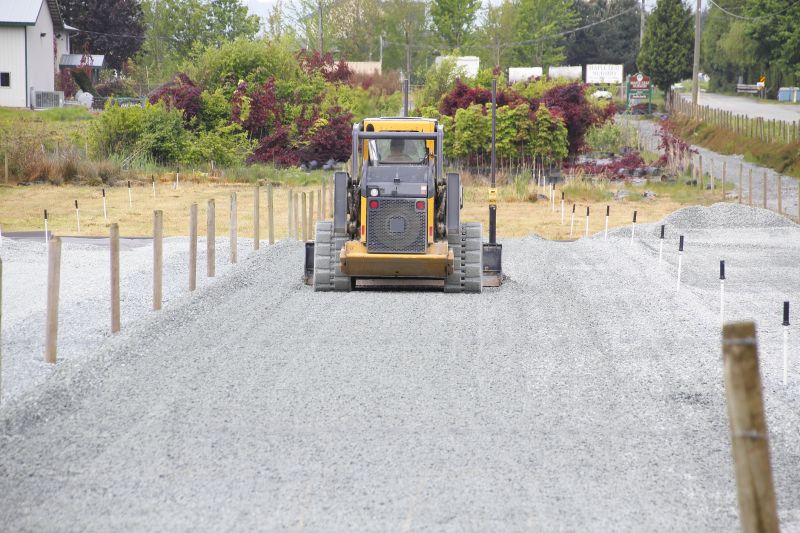
Driveway leveling services involve adjusting the surface of a driveway to correct uneven or sagging areas, creating a smooth and safe surface for vehicles and pedestrians. This type of project typically covers driveways made of concrete, asphalt, or other paving materials that have developed dips, cracks, or settled over time. Homeowners often seek driveway leveling to improve curb appeal, prevent further damage, and ensure proper drainage, especially in areas where ground shifting or soil settling has caused uneven surfaces.
Before requesting driveway leveling, property owners usually want to understand the extent of the unevenness, the cause of the settling, and the best methods for restoring a level surface. It’s important to consider the age and condition of the existing driveway, as well as any underlying issues that may need addressing to maintain a level and durable surface. Proper assessment can help determine whether leveling is a suitable solution or if additional repairs are necessary to prolong the driveway’s lifespan.
Many property owners in Houston, TX look into Driveway Leveling for repairs, replacements, upgrades, and appearance-related improvements.
Common Driveway Leveling Jobs
Driveway Leveling - Restores a smooth, even surface to improve safety and curb appeal.
Crack Repair - Fixes uneven areas caused by settling or ground movement.
Slope Correction - Adjusts the driveway’s grade to ensure proper drainage.
Surface Regrading - Reshapes the driveway to eliminate dips and high spots.
Mud Jacking - Lifts sunken sections using stabilized fill material.
Concrete Replacement - Replaces severely damaged or uneven concrete sections.
Driveway Leveling Questions
What causes driveway unevenness? Driveway unevenness often results from soil movement, erosion, or ground settling over time, leading to dips and cracks.
How can driveway leveling improve property appearance? Leveling restores a smooth surface, enhancing curb appeal and making the driveway safer for vehicles and pedestrians.
Is driveway leveling suitable for all types of driveways? It works best on concrete and asphalt surfaces experiencing settling or minor cracks, but suitability depends on the specific condition.
What are common signs that driveway leveling is needed? Visible cracks, pooling water, or noticeable dips indicate that leveling may be necessary to maintain driveway integrity.
Request Driveway Leveling in Houston, TX
Use the quote form on this page to share the basics of your project and request more information for the type of work you need.