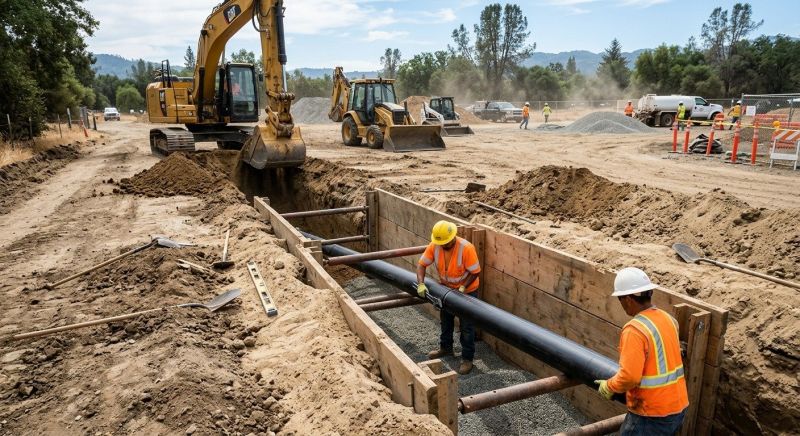
Trench Installation in Houston, TX
Trench installation services involve digging narrow, deep channels into the ground to accommodate various types of underground utilities, drainage systems, or fencing. These projects are commonly requested for installing or repairing water lines, electrical wiring, irrigation systems, or setting up boundary fences. Property owners typically seek this service when planning new utility connections, upgrading existing infrastructure, or ensuring proper drainage around their property. It is important to understand the scope of the trenching work, including depth requirements, soil conditions, and any permits or regulations that may apply to specific projects.
Before requesting trench installation, property owners should consider the location and purpose of the trenches, as well as potential impacts on landscaping or existing structures. Clarifying the intended use helps determine the appropriate trench dimensions and depth. Additionally, understanding the underground utilities and ensuring a safe working area can prevent accidental damage or service disruptions. Proper planning and communication about these factors can help ensure the trenching work aligns with project goals and complies with local guidelines.
Many property owners in Houston, TX look into Trench Installation for repairs, replacements, upgrades, and appearance-related improvements.
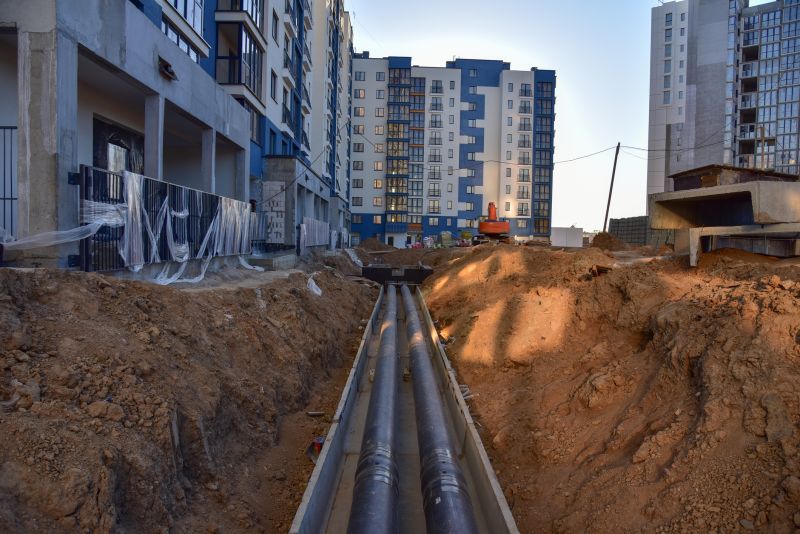
Trench Installation For Utility Lines
Proper trenches are essential for safe and reliable utility line placement in houston properties.
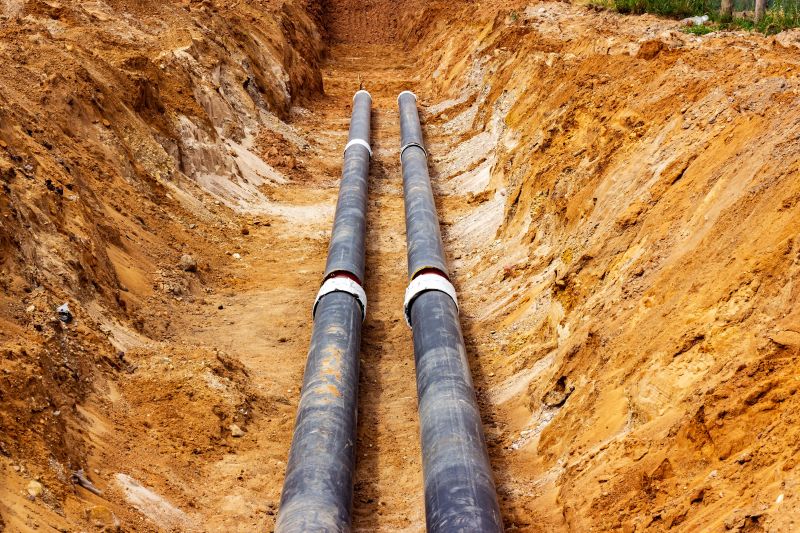
Foundation And Drainage Projects
Trenches are commonly used for foundation footings and drainage system installations on residential and commercial sites.
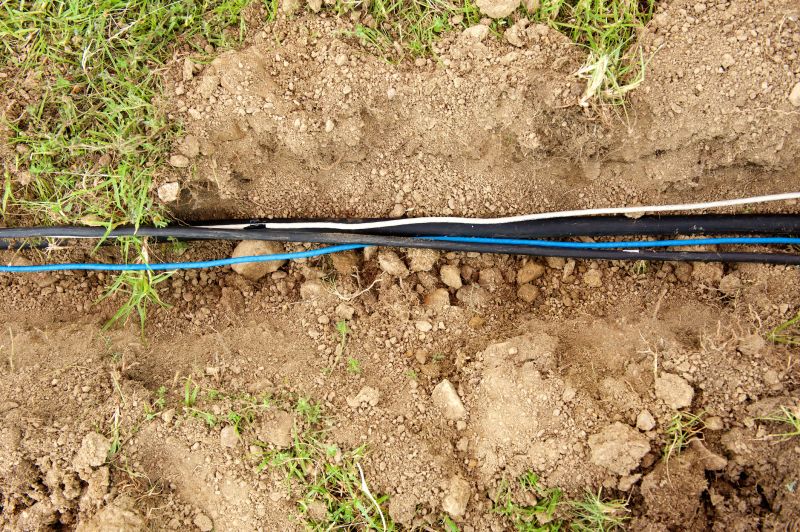
Landscaping And Irrigation Setup
Installing trenches allows for efficient installation of irrigation systems and landscape features in houston yards.
Trench Installation in Houston, TX
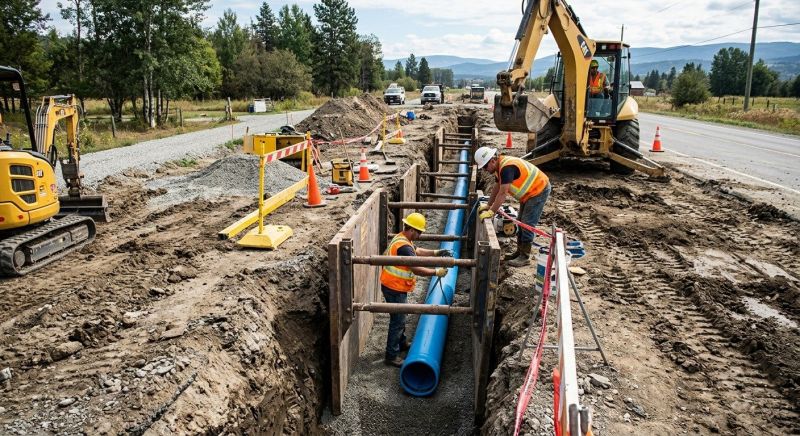
Trench installation services involve digging narrow, deep channels into the ground to accommodate various types of underground utilities, drainage systems, or fencing. These projects are commonly requested for installing or repairing water lines, electrical wiring, irrigation systems, or setting up boundary fences. Property owners typically seek this service when planning new utility connections, upgrading existing infrastructure, or ensuring proper drainage around their property. It is important to understand the scope of the trenching work, including depth requirements, soil conditions, and any permits or regulations that may apply to specific projects.
Before requesting trench installation, property owners should consider the location and purpose of the trenches, as well as potential impacts on landscaping or existing structures. Clarifying the intended use helps determine the appropriate trench dimensions and depth. Additionally, understanding the underground utilities and ensuring a safe working area can prevent accidental damage or service disruptions. Proper planning and communication about these factors can help ensure the trenching work aligns with project goals and complies with local guidelines.
Many property owners in Houston, TX look into Trench Installation for repairs, replacements, upgrades, and appearance-related improvements.
Common Trench Installation Jobs
Trench Drain Installation - designed to direct surface water away from driveways and walkways.
Foundation Drain Trenching - helps prevent water accumulation around building foundations.
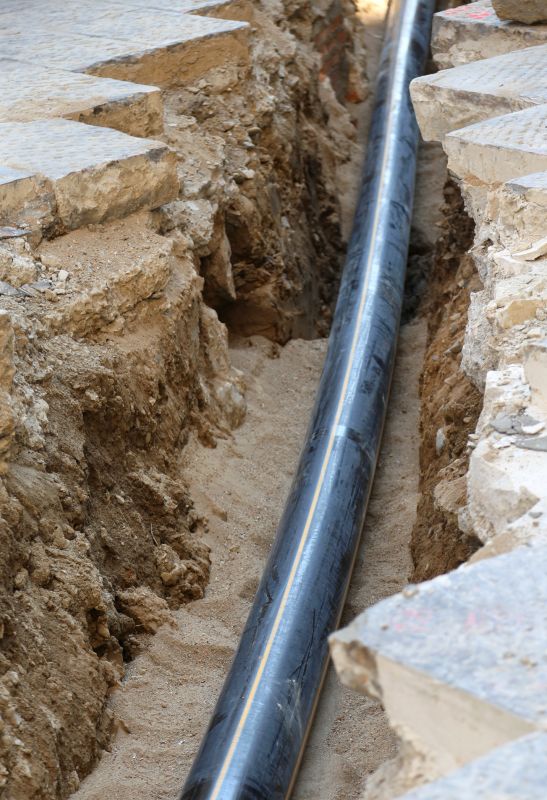
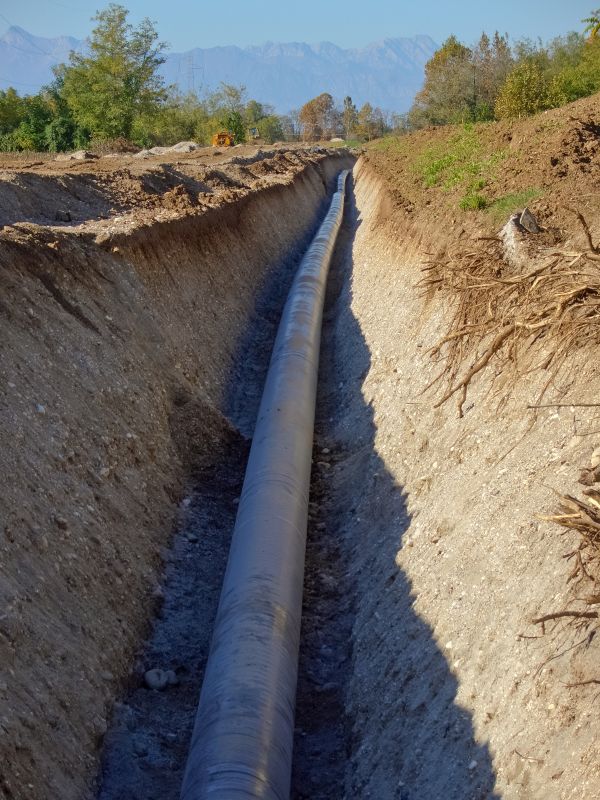
Utility Trenching - provides a safe pathway for underground cables and pipes.
Landscape Drainage Trenching - improves yard drainage to reduce flooding and erosion.
French Drain Trenching - creates effective drainage systems for wet or soggy areas.
Irrigation Trench Installation - facilitates proper placement of sprinkler and drip systems.
Trench Installation Questions
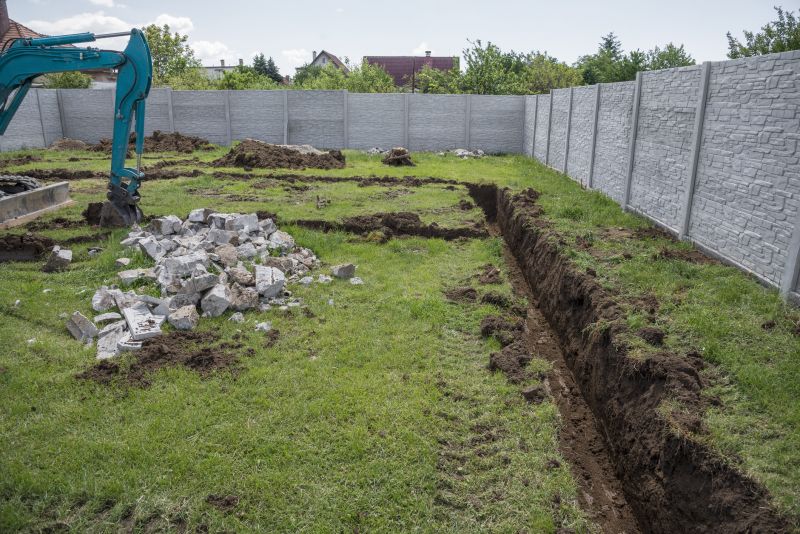
What types of projects require trench installation? Trench installation is commonly used for laying underground utilities, irrigation systems, drainage solutions, and fencing posts on residential and commercial properties.
How deep are typical trenches for utility lines? Trenches for utility lines usually range from 18 to 36 inches deep, depending on the type of utility and local regulations.
What should property owners know before trenching begins? It's important to identify existing underground utilities and obtain any necessary permits before trenching to prevent damage and ensure compliance.
What materials are used for trench backfilling? Backfill materials often include soil, gravel, or a combination, depending on the purpose of the trench and soil stability requirements.
Request Trench Installation in Houston, TX
Use the quote form on this page to share the basics of your project and request more information for the type of work you need.