Pasture Clearing in Utah County, UT
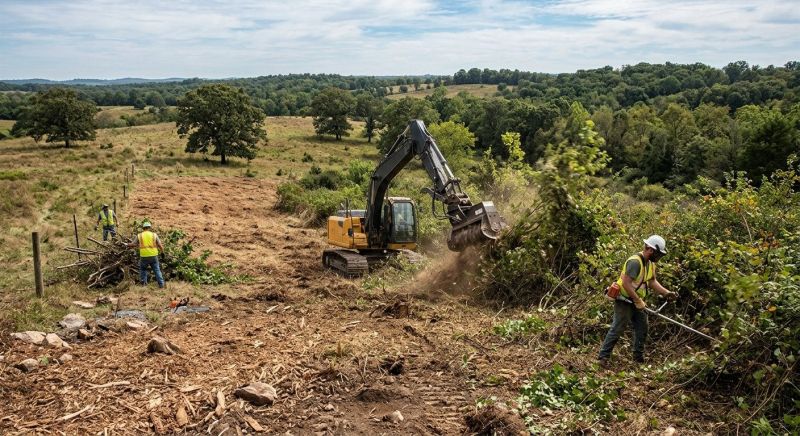
Pasture clearing services involve removing unwanted vegetation, brush, and small trees to create open, usable land on a property. This process is commonly requested for projects such as preparing land for farming, grazing, construction, or recreational use. Property owners typically want to understand the scope of clearing needed, including whether the work involves only surface vegetation or also requires removal of larger trees or roots. Clarifying the extent of clearing helps ensure the project meets specific goals and fits within any land management plans.
Before requesting pasture clearing, property owners should consider the size of the area, types of vegetation present, and any local regulations or permits that may apply. It’s also helpful to determine if additional services, such as land grading or debris removal, might be needed afterward. Having a clear idea of the project’s purpose and the land’s current condition can assist in planning the most effective clearing approach to suit the property’s future use.
Many property owners in Utah County, UT look into Pasture Clearing for repairs, replacements, upgrades, and appearance-related improvements.
Pasture Management
Clearing overgrown pastures to improve grazing and land use.
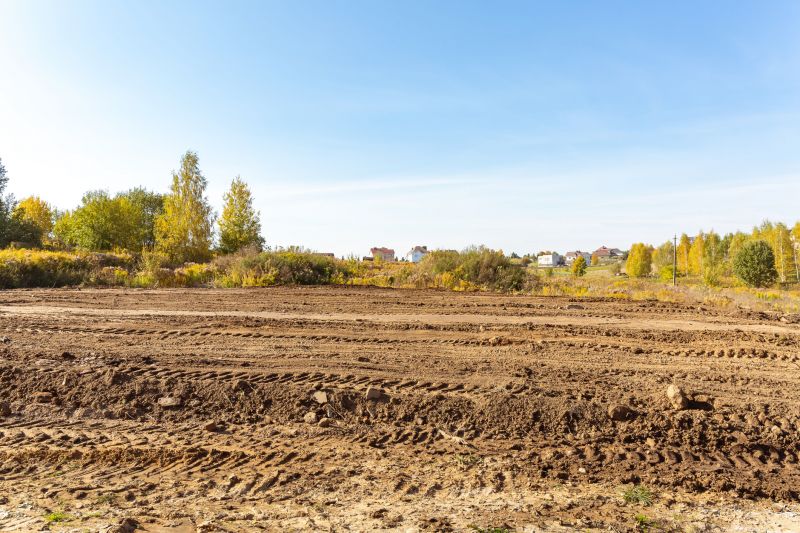
Fire Prevention
Reducing fire hazards by removing excess brush and dry vegetation.
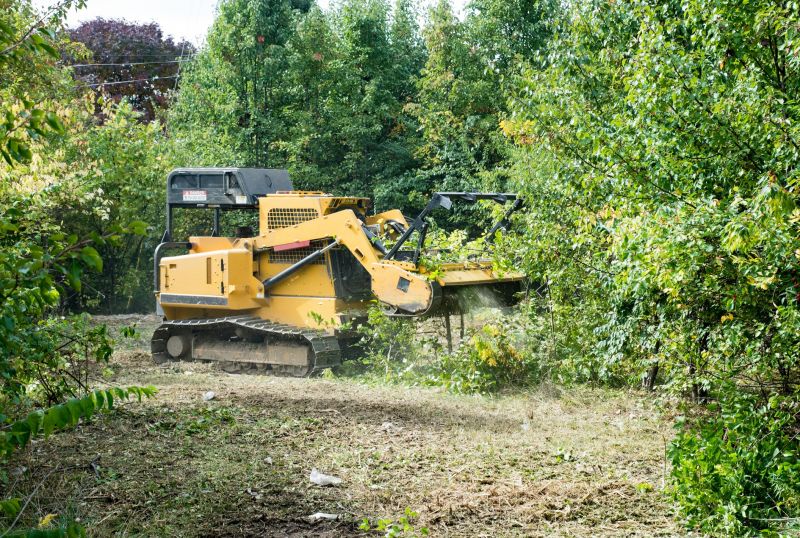
Land Preparation
Preparing fields for new planting or construction by clearing unwanted growth.
Pasture Clearing in Utah County, UT
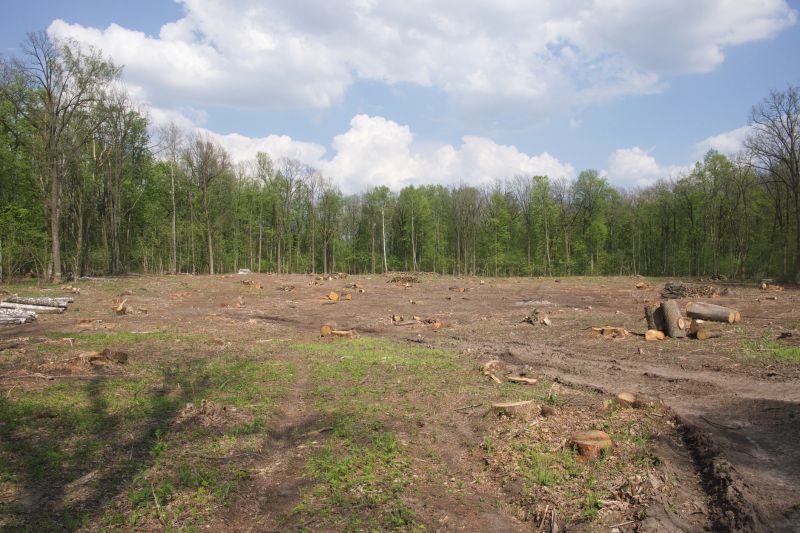
Pasture clearing services involve removing unwanted vegetation, brush, and small trees to create open, usable land on a property. This process is commonly requested for projects such as preparing land for farming, grazing, construction, or recreational use. Property owners typically want to understand the scope of clearing needed, including whether the work involves only surface vegetation or also requires removal of larger trees or roots. Clarifying the extent of clearing helps ensure the project meets specific goals and fits within any land management plans.
Before requesting pasture clearing, property owners should consider the size of the area, types of vegetation present, and any local regulations or permits that may apply. It’s also helpful to determine if additional services, such as land grading or debris removal, might be needed afterward. Having a clear idea of the project’s purpose and the land’s current condition can assist in planning the most effective clearing approach to suit the property’s future use.
Many property owners in Utah County, UT look into Pasture Clearing for repairs, replacements, upgrades, and appearance-related improvements.
Common Pasture Clearing Jobs
Pasture Clearing - removes overgrown grass, weeds, and brush to improve pasture health.
Land Preparation - prepares land for new grazing areas or planting by clearing unwanted vegetation.
Brush Removal - eliminates dense brush to reduce fire hazards and improve property safety.
Weed Control - manages invasive and unwanted plants to promote healthy pasture growth.
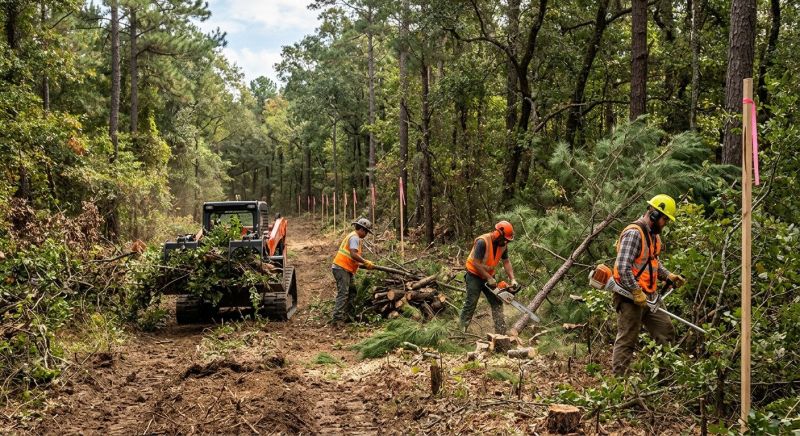
Tree and Shrub Removal - clears small to medium-sized trees and shrubs that hinder pasture use.
Debris and Stump Removal - clears fallen branches, debris, and stumps to create a safe, usable property.
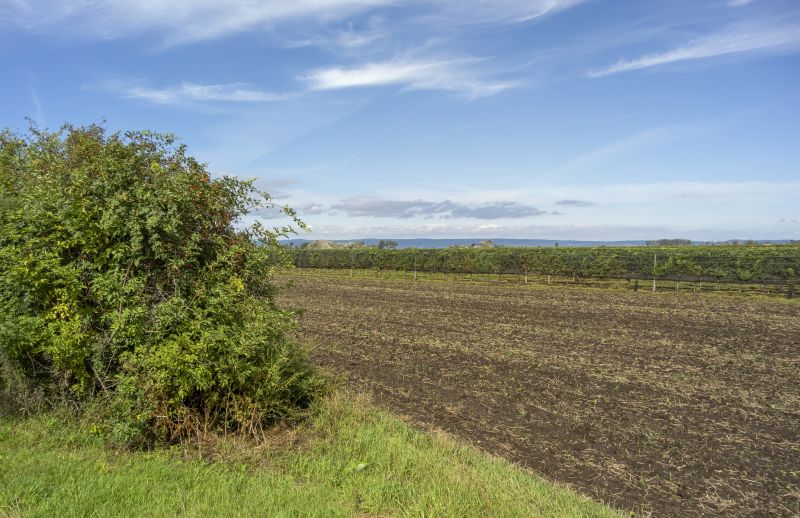
Pasture Clearing Questions
What is pasture clearing? Pasture clearing involves removing unwanted vegetation, brush, and trees to prepare land for agriculture, grazing, or development purposes.
When is pasture clearing needed? It is typically required when land has overgrown or when preparing a site for new construction or farming activities.
What types of projects benefit from pasture clearing? Projects such as expanding grazing areas, creating firebreaks, or clearing land for building are common reasons for pasture clearing services.
What should property owners consider before pasture clearing? It’s important to assess land conditions, identify any protected plants or trees, and plan for proper disposal of cleared material.
Request Pasture Clearing in Utah County, UT
Use the quote form on this page to share the basics of your project and request more information for the type of work you need.